Euronext Markets Show Mixed Performance Amid Economic Uncertainty
Apr 19, 2026

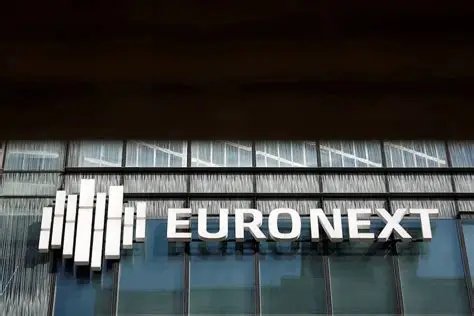
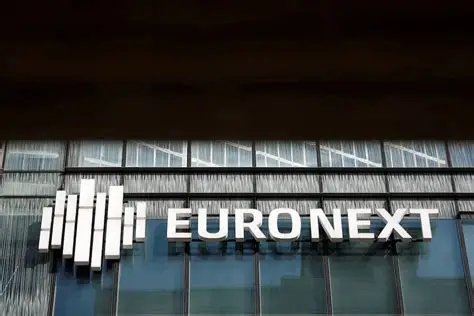
The Euronext is the largest stock exchange group in Europe, connecting multiple countries into a single financial marketplace. It was formed in 2000 through the merger of stock exchanges in cities like Paris, Amsterdam, and Brussels. Today, it also includes markets in Lisbon, Dublin, and others.
Euronext provides a unified platform where investors can trade shares, bonds, and other financial instruments across Europe. This integration makes it easier for companies to raise capital and for investors to access multiple markets in one place.
One of the key features of Euronext is its fully electronic trading system, which allows fast and efficient transactions without the need for a physical trading floor. This makes it different from some traditional exchanges.
Euronext tracks market performance through major indexes such as the CAC 40 and the AEX Index. These indexes reflect the economic strength of European markets and are closely followed by investors worldwide.
In conclusion, Euronext plays a crucial role in the European economy by connecting different countries into one financial network. It supports business growth, encourages investment, and strengthens Europe’s position in global finance.
| Feature | Details |
|---|---|
| Name | Euronext |
| Founded | 2000 |
| Type | Stock Exchange |
| Headquarters | Amsterdam, Netherlands |
| Major Cities | Paris, Amsterdam, Brussels, Lisbon, Dublin |
| Trading System | Fully Electronic |
| Key Indexes | CAC 40, AEX Index |
| Function | Buying & selling stocks, raising capital |
| Importance | Largest stock exchange group in Europe |