Gold Rate – Real-Time Value of Gold and Its Role as a Safe-Haven Investment in Global Markets
Apr 20, 2026
.jpeg)
Gold prices have remained highly active and volatile in global markets during 2026. The metal continues to react strongly to changes in inflation, interest rates, and global economic uncertainty.
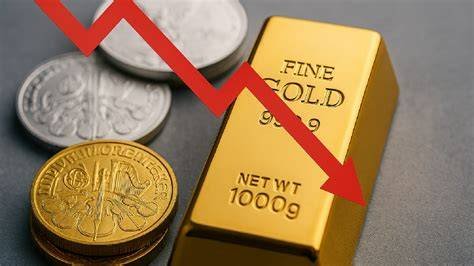
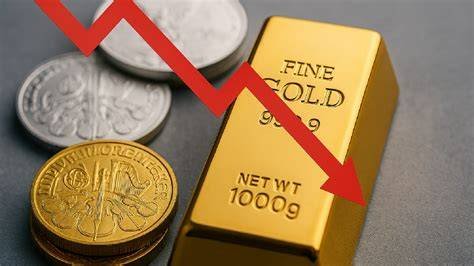
Recently, gold experienced short-term price fluctuations, with some declines after reaching high levels earlier. This is mainly due to investors selling for profit and changes in expectations about interest rates in major economies. When interest rates rise, gold often becomes less attractive because it does not generate regular income.
Despite short-term drops, gold is still considered a safe-haven asset, meaning investors buy it during uncertain times such as economic instability, wars, or currency fluctuations. This keeps long-term demand relatively strong.
In Asian markets, demand remains important. Countries like India and China continue to influence global gold prices due to strong cultural and investment demand.
| Factor | Status |
|---|---|
| Price Trend | Volatile (ups and downs) |
| Short-term Movement | Slight corrections after highs |
| Long-term Outlook | Stable to strong |
| Main Drivers | Inflation, interest rates, global uncertainty |
| Investor Behavior | Profit-taking + safe-haven buying |
| Global Demand | Strong in Asia (India & China) |
| Risk Level | Medium (price fluctuation) |
Gold prices are changing frequently in 2026
Short-term drops happen due to profit-taking and interest rates
Long-term demand stays strong because gold is a safe investment