
Silver News – Latest Global Updates on Silver Markets, Industrial Demand, and Investment Trend
Apr 20, 2026
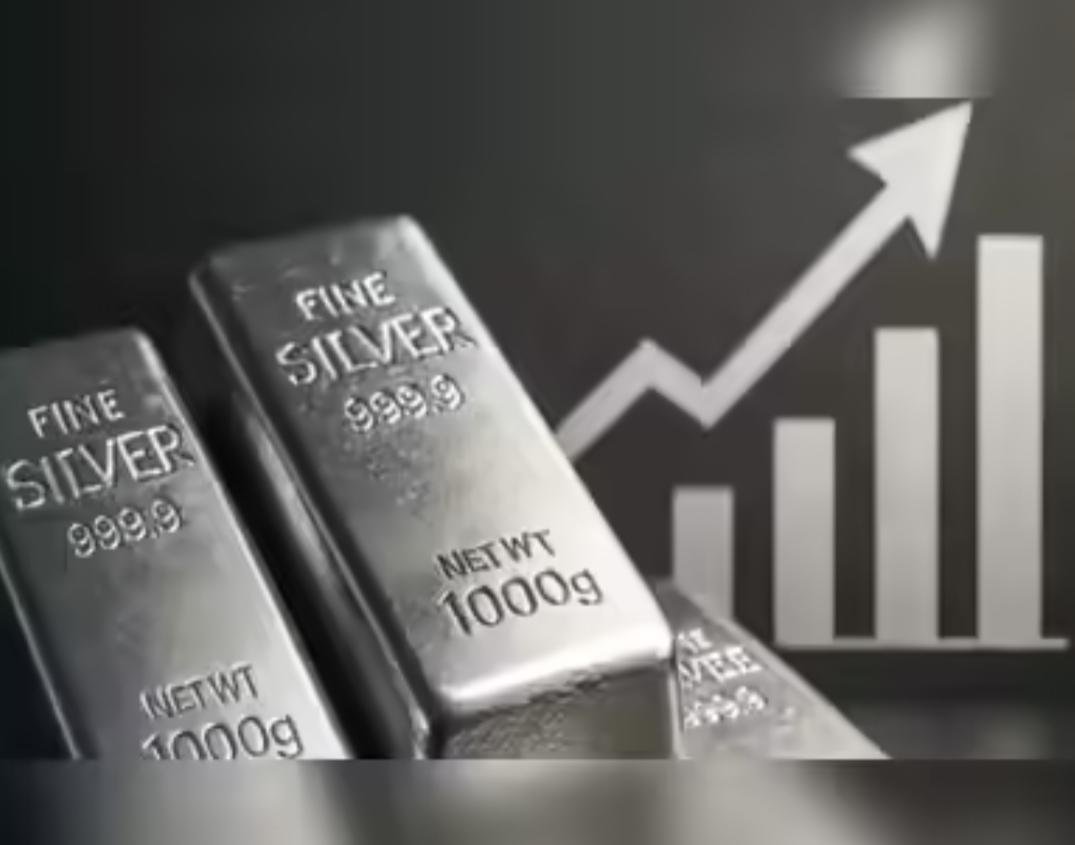
The silver market has remained unstable and highly active in 2026, with frequent price fluctuations caused by global economic changes, currency movements, and industrial demand.
Recently, silver prices have seen both rises and falls. When the U.S. dollar strengthens or interest rates rise, silver prices usually drop because investors prefer safer or interest-bearing assets. However, during periods of uncertainty, silver often gains as investors turn to it as a safe-haven metal, similar to gold.
A key factor supporting silver is its industrial demand. Silver is widely used in solar panels, electronics, batteries, and medical equipment. This means its price is not only affected by investment trends but also by global manufacturing activity.
Overall, analysts describe silver as a high-volatility metal, meaning its price moves more sharply than gold, making it both risky and potentially rewarding for investors.
| Factor | Status |
|---|---|
| Price Trend | Highly volatile 📉📈 |
| Short-term Movement | Frequent ups and downs |
| Main Drivers | Dollar value, interest rates, inflation |
| Industrial Use | Very strong (electronics, solar energy) |
| Investment Demand | High during uncertainty |
| Risk Level | High volatility |
| Long-term Outlook | Moderately positive |
Silver prices are changing rapidly in 2026
Influenced by global economy and dollar strength
Used in both industry and investment
More volatile than gold but still important
.webp)